Written by Kittenproperties
14.06.2023
Real estate photography is a powerful marketing tool in the booming Portuguese property market. It has a direct impact on the first impression a property can make on potential buyers, and therefore, it's crucial to understand how to capture stunning real estate photos. But how does one create captivating images that sell? Let's dive in!
The role of real estate photography is twofold. It showcases the property's highlights and gives potential buyers a realistic view of the space. Photos can make or break a property deal, especially in the competitive Portuguese market. They're the first thing potential buyers see when browsing properties, and these visual impressions often dictate whether they click to learn more.
Quality photos are vital in real estate because they serve as a property's visual representation. Photos help create a positive image in the buyer's mind, increasing the chances of a sale. According to a study by MDPI, properties with high-quality photos receive 118% more online views.
Lighting can make a significant difference in real estate photography. Natural light is often the best option, illuminating the property in a warm, inviting way. Sunrise and sunset, known as the 'golden hours,' offer the most flattering light.
Wide-angle lenses are a staple in real estate photography. They can capture more of a room or property, making spaces look larger and more inviting. However, be careful not to distort the image excessively.
In real estate photography, composition is king. Use the rule of thirds, leading lines, and symmetry to guide your framing decisions. These techniques help highlight the property's best features, while also creating a pleasing visual experience for viewers.
Portugal is known for its unique architectural styles, from the rustic charm of rural quintas to the modern lines of Lisbon apartments. Highlight these features to add a cultural touch to your photos.
Portugal's beautiful weather and scenic landscapes offer ample opportunities to showcase outdoor spaces. Whether it's a balcony with ocean views or a terracotta patio, don't forget to capture these unique selling points.
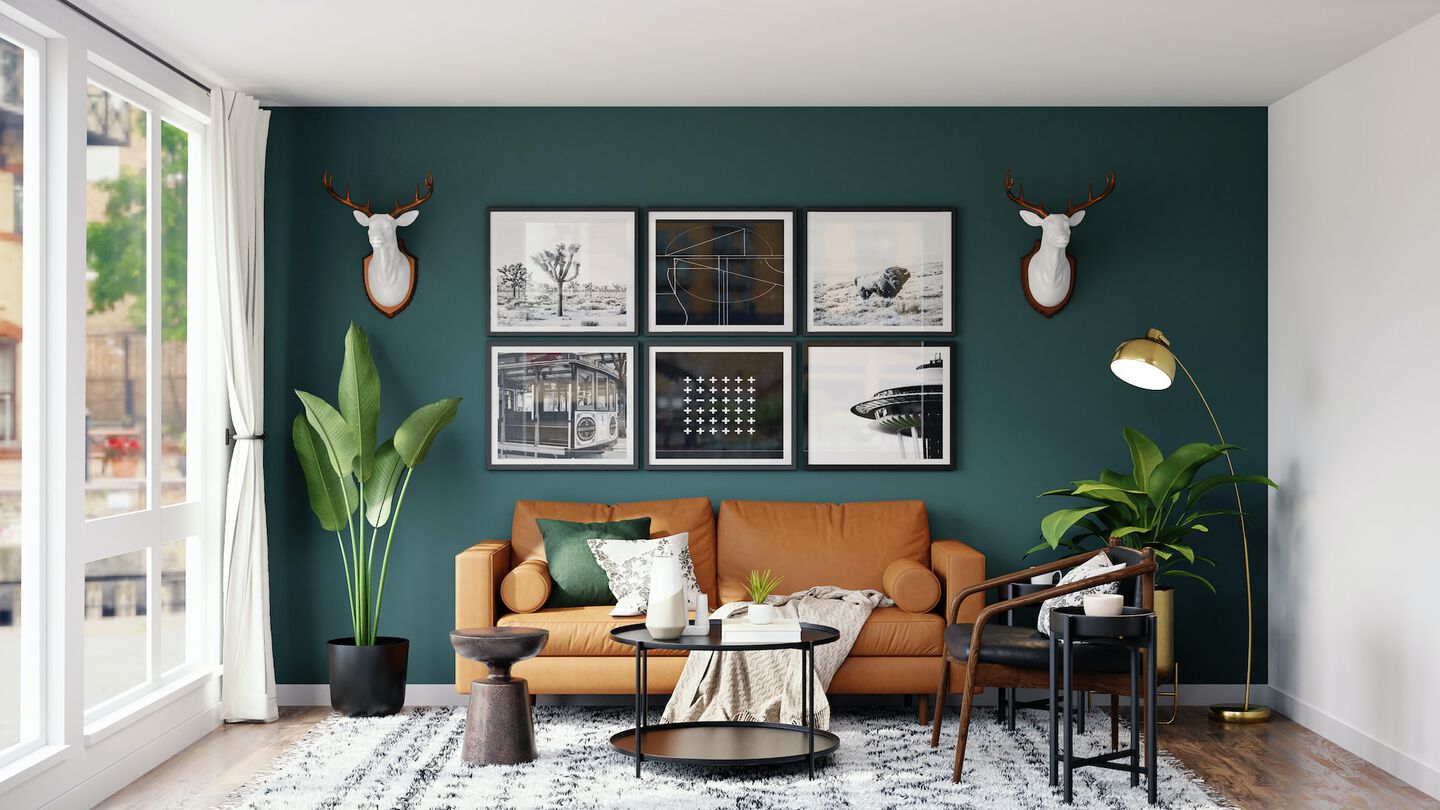
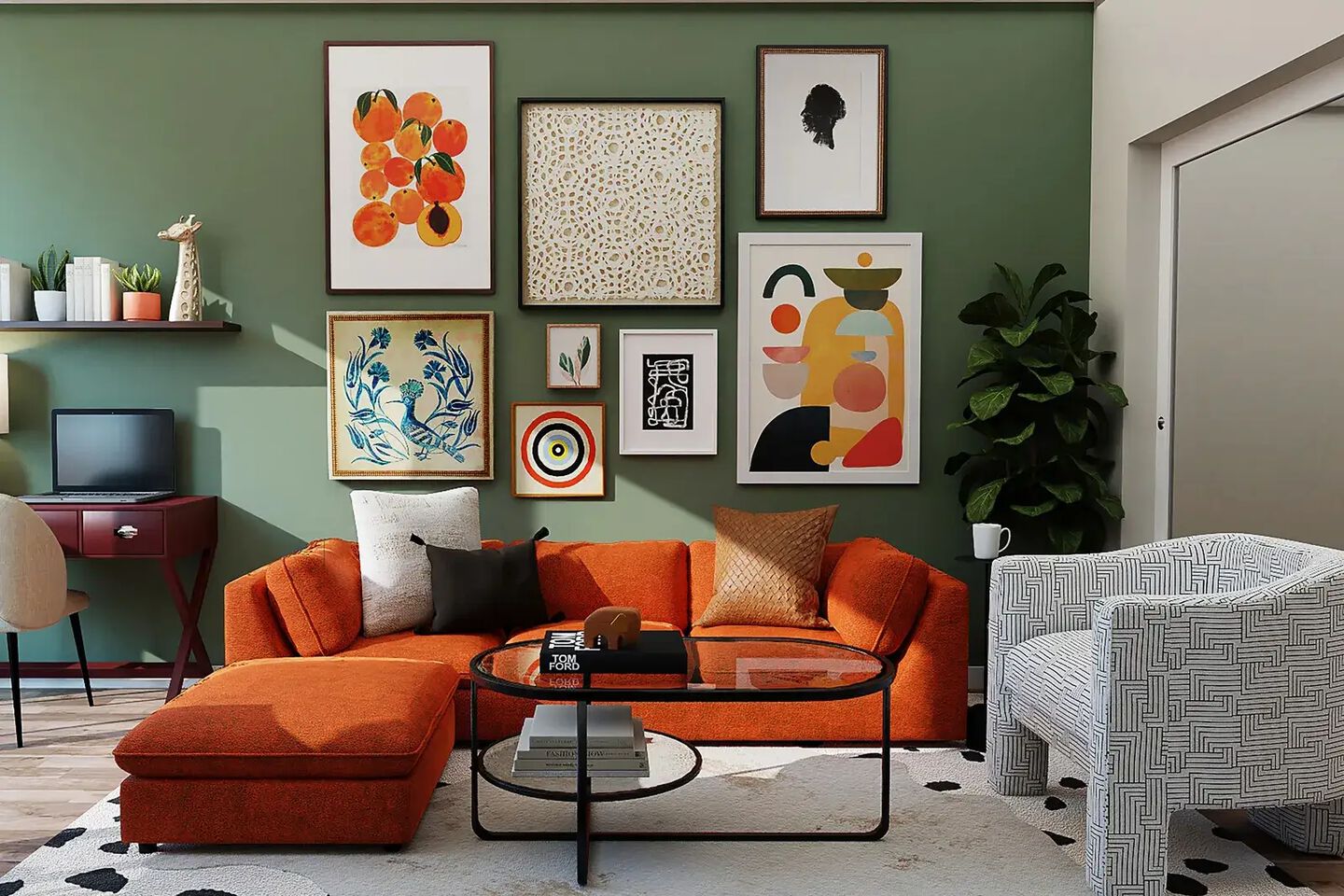
Staging is an essential aspect of real estate photography. It involves arranging furniture and décor to make a property more appealing. Staging can create an emotional connection with potential buyers, making them envision living in the space.
Post-production is a crucial step in real estate photography. Software like Adobe Lightroom or Photoshop can help you adjust lighting, correct lens distortion, and more.
While editing can enhance your photos, it's important not to misrepresent the property. Keep edits realistic to ensure potential buyers aren't disappointed when they visit the property.
Establishing a good relationship with real estate agents can provide you with consistent work. Provide them with quality, professional photos that enhance their listings, and they'll likely become repeat clients.
Understanding the local market is key. Portuguese buyers appreciate attention to detail, and culturally relevant staging can make a property more attractive.
A full-frame DSLR or mirrorless camera is the gold standard for real estate photography. These cameras provide excellent image quality and work well in low-light conditions, which are often encountered in indoor photography.
Tripods and stabilizers are essential for sharp, steady shots. Especially when shooting in low light or using longer shutter speeds, a sturdy tripod can help avoid blurry images.
A remote trigger helps you avoid any camera movement, ensuring your images are as sharp as possible. This is particularly useful for low-light photography, where even the smallest camera shake can ruin an image.
Before starting a shoot, talk to your client to understand the property's key selling points. Whether it's an ocean view, a grand fireplace, or a recently renovated kitchen, these features should be the focus of your photos.
Understanding the target demographic can also help guide your photography. A property aimed at families may benefit from highlighting spacious living areas and outdoor spaces, while a city-center apartment might focus on luxurious features and proximity to amenities.
Small spaces can be challenging to photograph. Using a wide-angle lens, taking photos from doorways, and incorporating mirrors can help make a small space appear larger.
Rooms with windows can have uneven lighting. Using HDR (High Dynamic Range) photography can help balance the bright light coming from the windows with the darker interior.
In real estate photography, it's essential to have a clear agreement about who owns the photos. Typically, the photographer retains the copyright, while the client gets a license to use the images for a specified purpose.
Remember to respect privacy when photographing a property. If personal items are visible, ask for permission before shooting or remove them from the frame.
Real estate photography in Portugal is both an art and a science. It requires understanding the basics, mastering advanced techniques, and maintaining a keen eye for detail. By focusing on quality and authenticity, you can capture stunning images that help properties stand out in the competitive Portuguese market.Real estate photography is a field that constantly evolves. New techniques, technologies, and trends emerge regularly. To stay competitive in the vibrant Portuguese market, it's vital to continuously improve your skills and adapt to the changing landscape.
Lighting is crucial as it sets the mood and creates an atmosphere in real estate photography. Good lighting can emphasize the property's best features, while poor lighting can hide them.
Wide-angle lenses are preferred in real estate photography because they can capture a larger portion of a room or property, giving a comprehensive view of the space.
To highlight unique Portuguese architecture, focus on the details that define the style, such as archways, tiles, or distinctive building materials.
Staging helps potential buyers visualize the space as their own, creating an emotional connection. It can also highlight the functionality and potential of a property.
Post-production allows photographers to enhance their photos by adjusting lighting, color balance, and correcting any lens distortions, ultimately resulting in a more polished and appealing image.
A full-frame DSLR or mirrorless camera is typically the best choice for real estate photography due to its excellent image quality and low-light performance.
Using a wide-angle lens, shooting from doorways or corners, and incorporating mirrors in your composition can help make a small space appear larger in photos.
HDR stands for High Dynamic Range. It's a technique that balances the light in a photo, making both the bright and dark areas clear. This is particularly useful in rooms with windows, where the interior light and exterior light can be drastically different.
Typically, the photographer retains the copyright to the photos, while the client gets a license to use the images for a specific purpose. However, this can vary based on the agreement between the photographer and the client.
To stay competitive, continuously improve your skills, adapt to new techniques and technologies, understand your client's needs, and always aim to provide high-quality, appealing images.
Explore the comprehensive guide to the cost of living in Guimaraes, Portugal. Understand the expenses related to housing, transportation, food, healthcare, and leisure. Make an informed decision about your move to this charming city.
Explore the transformative impact of urban regeneration on Irish real estate. Uncover investment opportunities, case studies like Dublin Docklands and Cork City Quays, and delve into the implications on property prices, rental markets, and future prospects.
Explore the best districts to buy property in Nîmes, the historic 'Rome of France'. Dive deep into real estate trends, prime neighborhoods, and the city's rich cultural backdrop. A comprehensive guide for potential investors in the heart of Occitanie.